Introduction
Skin tags are extremely common and affect people of all ages, especially adults. Although they are medically harmless, many individuals choose to remove them due to discomfort, irritation, or cosmetic concerns. Understanding what skin tags are, why they appear, and how they can be safely removed can help you make informed decisions about your skin health.
What Are Skin Tags?
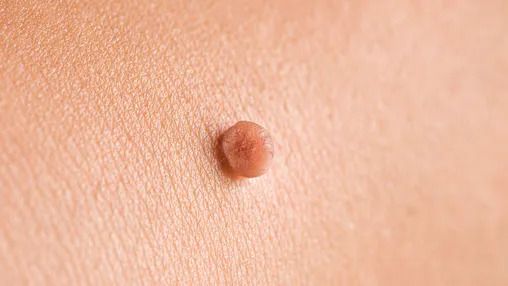
Skin tags, medically known as acrochordons, are small, soft, flesh-colored or slightly darker growths that hang off the skin. They are usually attached by a thin stalk and feel smooth or slightly wrinkled to the touch. Skin tags commonly develop on the neck, underarms, eyelids, groin, under the breasts, and other areas where skin frequently rubs against skin or clothing.
Common Causes and Risk Factors
While the exact cause of skin tags is not fully understood, they are strongly associated with skin friction. They tend to form in skin folds or high-movement areas. Skin tags are more common with aging and may also be associated with hormonal changes, insulin resistance, pregnancy, and genetics. They are not caused by infections and are not contagious.
Are Skin Tags Dangerous?
In most cases, skin tags are completely benign and pose no medical risk. They do not become cancerous and usually do not cause pain. However, they can become irritated if caught on clothing, jewelry, or during shaving. Occasionally, a twisted skin tag may bleed or become inflamed. Any growth that changes in color, size, or shape should be assessed by a medical professional to confirm the diagnosis.
Is Skin Tag Removal Safe?
Yes, skin tag removal is considered very safe when performed by trained medical professionals. Professional removal ensures that the growth is properly identified and removed using sterile techniques. This significantly reduces the risk of infection, scarring, or unnecessary skin damage. At-home removal methods and over-the-counter products are not recommended, as they can lead to complications or incomplete removal.
How Skin Tags Are Removed at NewM Clinic
At NewM Clinic, skin tags are removed using electrocautery, a safe and effective medical technique. Electrocautery uses controlled heat to precisely remove the skin tag while simultaneously sealing blood vessels. This helps minimize bleeding and promotes cleaner healing.
The procedure is quick and typically well tolerated. A local numbing agent may be used to enhance comfort, and most patients experience minimal downtime. Healing usually occurs within a few days to a couple of weeks, depending on the size and location of the skin tag.
When to Consider Skin Tag Removal
Skin tag removal may be considered if the growth causes irritation, discomfort, repeated bleeding, or cosmetic concern. If you are unsure whether a growth is a skin tag or another type of skin lesion, a professional assessment is always recommended before proceeding with treatment.